

Dogs are susceptible to internal parasites, and one of the most noticeable signs is the presence of worms in poop. While it can be alarming to see worms in your dog’s feces, identifying the type of parasite and acting promptly is essential to prevent health complications. Dogs of all ages can be affected, but puppies, senior dogs, and those that spend time outdoors are particularly at risk.
Understanding the causes, identifying symptoms, and knowing how to prevent reinfection are key steps in keeping your dog healthy. In this article, we’ll explore everything dog owners need to know about worms in feces, including common types, health risks, diagnosis, treatment, and preventive measures.
Why Worms Appear in Dog Poop
Worms in dog poop occur when intestinal parasites reach maturity and begin shedding eggs or segments that exit the body via feces. Several factors contribute to infestations:
- Exposure to contaminated environments: Parks, soil, or dog runs can contain worm eggs.
- Contact with infected animals: Direct contact with other dogs or their feces increases risk.
- Fleas: Some worms, such as tapeworms, are transmitted via fleas.
- Mother-to-puppy transmission: Puppies can acquire worms from their mother’s milk or during birth.
- Poor hygiene: Neglecting regular cleaning of bedding and play areas encourages reinfection.
Recognizing why worms appear in feces helps dog owners prevent repeated infestations.
Common Types of Worms Found in Dog Poop
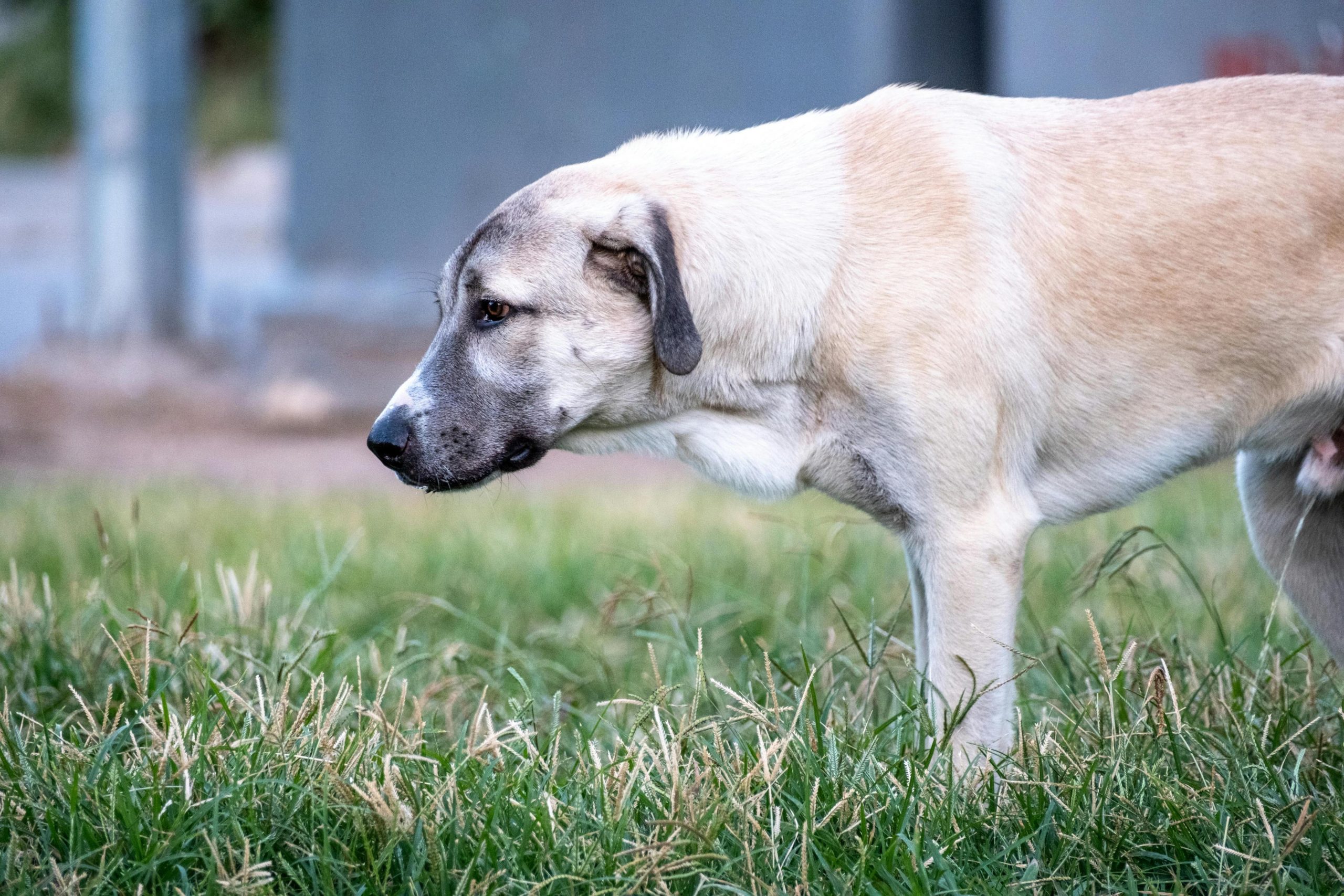
Several types of worms can be present in dog feces, and each has unique characteristics.
1. Roundworms
Roundworms are among the most prevalent in dogs, especially puppies. They are long, white, and resemble spaghetti.
Characteristics in poop:
- Whole worms may appear in fresh stool
- Often accompanied by soft stools or mild diarrhea
Additional effects:
- Abdominal swelling
- Reduced appetite or poor weight gain
2. Tapeworms
Tapeworm segments are small, flat, and look like grains of rice. Dogs usually ingest tapeworms by swallowing infected fleas.
Characteristics in poop:
- Segments may dry and appear around the anus or in the stool
- Segments may move, causing itching
Additional effects:
- Scooting or excessive licking of the rear
- Mild weight fluctuations
3. Hookworms
Hookworms are small, blood-feeding worms that attach to the intestinal lining. They can cause dark, tarry stools, which indicate blood loss.
Characteristics in poop:
- Worms may not always be visible without a microscope
- Stool may appear unusually dark or black
Additional effects:
- Weakness or fatigue
- Pale gums or anemia
4. Whipworms
Whipworms inhabit the large intestine and may be harder to spot in stool because they release eggs intermittently.
Characteristics in poop:
- Soft stools with occasional blood or mucus
- Chronic diarrhea may be present
Additional effects:
- Gradual weight loss
- Mild lethargy
5. Heartworms
Heartworms are less likely to appear in stool, but in severe infestations, they may indirectly affect digestion and stool consistency. They live in the heart and lungs, causing respiratory distress and fatigue.
Symptoms Dog Owners Should Watch For
Not all worms are visible in your dog’s feces, so it’s important to watch for other signs of worms in dogs that may indicate a parasitic infection. Early detection is key to preventing serious health problems, so paying attention to subtle changes can make a big difference.
Some common symptoms include:
- Changes in Appetite: Dogs with worms may either lose interest in food or suddenly become unusually hungry. A puppy that refuses meals or an adult dog that constantly scavenges could both be showing early signs of parasitic infection.
- Abdominal Discomfort: Parasites often irritate the intestines, causing bloating, tenderness, or even pain. Dogs may whine, curl up uncomfortably, or show sensitivity when their belly is touched. Some dogs may also adopt unusual postures to ease discomfort.
- Behavioral Changes: Internal parasites can sap a dog’s energy. Lethargy, restlessness, irritability, or decreased interest in play may indicate that worms are affecting overall health. Sudden mood changes should never be ignored.
- Visible Segments in Feces: Certain worms, like tapeworms or roundworms, may appear in poop. Look for tiny rice-like segments or spaghetti-shaped worms, especially around the anus or in fresh stool. Even if the worms appear only occasionally, this is a sign that your dog needs veterinary attention.
- Scooting or Excessive Grooming: Tapeworm segments can cause irritation near the tail. Dogs may drag their rear on the floor (“scooting”) or excessively lick the area in response to discomfort.
- Digestive Issues: Chronic soft stools, diarrhea, or vomiting may accompany worm infestations. Blood or mucus in the stool is a more serious sign and should prompt immediate veterinary care.
Even subtle changes in appetite, behavior, or digestion can indicate the presence of worms. By carefully observing your dog and noting any unusual signs, you can catch infestations early, ensuring timely treatment and reducing the risk of complications like anemia, malnutrition, or organ damage. Regular monitoring combined with routine vet checkups is essential for keeping your dog healthy and parasite-free.
Diagnosing Worms in Dogs
A veterinarian can confirm the type of worm and recommend treatment through several methods:
- Fecal Examination: Laboratory tests detect worm eggs or larvae in stool samples.
- Blood Tests: Essential for detecting heartworms or systemic infections.
- Physical Exam: Checks for bloating, pale gums, or other signs of malnutrition.
Accurate diagnosis is critical because different worms require specific medications for effective treatment.
Treatment for Worms in Dogs
Treatment depends on the type and severity of infestation. Common options include:
1. Oral Medications
- Tablets, chews, or liquids prescribed by a veterinarian
- Effective against roundworms, hookworms, and tapeworms
2. Injectable Treatments
- Often used for heartworms
- Administered by a vet and may require multiple doses
3. Topical Preventives
- Flea prevention helps reduce tapeworm risk
- Some treatments protect against multiple parasites
4. Environmental Hygiene
- Wash bedding and living areas regularly
- Clean food and water bowls daily
- Dispose of feces promptly to prevent reinfection
Treatment combined with environmental care ensures a higher success rate and reduces reinfestation risk.
Supporting Your Dog During Recovery
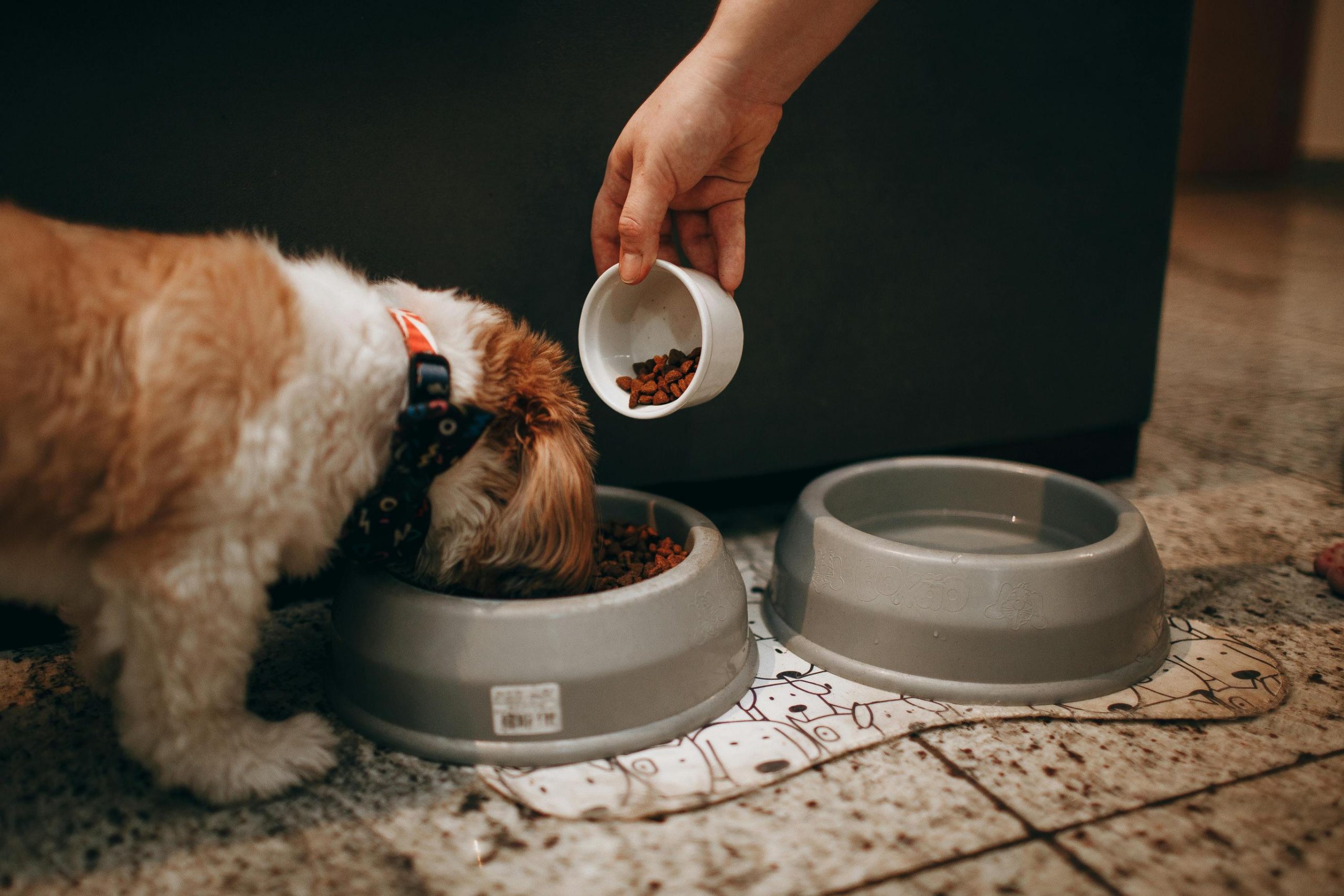
After treatment, dogs may need supportive care to regain strength and prevent complications:
- Nutritious Diet: High-quality food restores lost nutrients.
- Hydration: Essential for dogs with diarrhea or vomiting.
- Gentle Exercise: Promotes overall health without stressing the digestive system.
- Follow-Up Vet Visits: Ensure worms are fully cleared and monitor for lingering symptoms.
Preventing Future Worm Infestations
Prevention is more effective than treatment. Strategies include:
- Regular Deworming: Puppies require frequent doses; adults every 3–6 months.
- Flea Control: Reduces tapeworm risk.
- Safe Outdoor Areas: Limit exposure to contaminated soil or animal feces.
- Routine Vet Checkups: Early detection prevents severe infestations.
By maintaining preventive practices, dog owners can minimize the risk of worms returning and ensure their pet stays healthy.
Special Considerations
Puppies
- More susceptible to roundworms and hookworms
- Frequent monitoring and early deworming are crucial
- Keep play areas sanitized
Senior Dogs
- May display subtle signs, such as mild diarrhea or decreased appetite
- Worm infestations can worsen age-related health issues
- Preventive care and routine checks are essential
When to Seek Immediate Veterinary Care
Contact your veterinarian promptly if your dog shows:
- Persistent diarrhea or vomiting
- Signs of anemia, such as pale gums or weakness
- Lethargy or sudden changes in behavior
- Difficulty breathing or coughing
Early intervention ensures effective treatment and prevents serious complications.
Conclusion
Worms in dogs’ poop are a clear indicator that your pet may be dealing with intestinal parasites. Common worms include roundworms, tapeworms, hookworms, and whipworms. While visible worms in feces are a straightforward sign, other symptoms, such as digestive issues, scooting, or behavioral changes, may indicate a hidden infestation.
By monitoring your dog’s stool, seeking veterinary care, following treatment protocols, and practicing preventive measures, you can keep your dog healthy and parasite-free. Early detection and consistent care are the keys to preventing complications and ensuring a long, happy life for your furry companion.