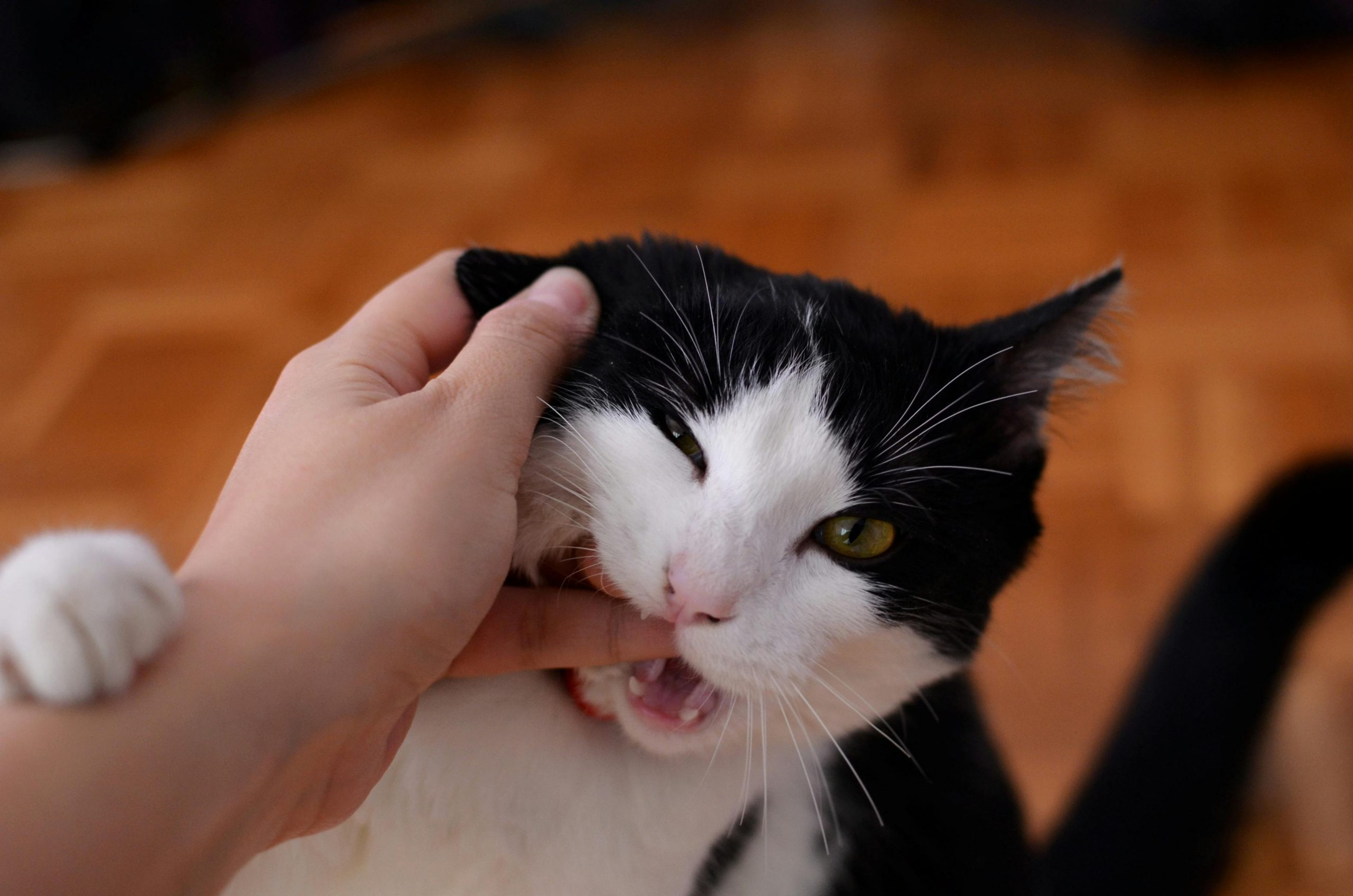

Cats are wonderful companions, but sometimes their behavior can be confusing — especially when they bite. If you’re a cat owner, you might wonder, “Why do cats bite their owners?” Understanding cat biting behavior helps you keep your pet happy and safe, and strengthens your bond.
This guide dives into the common reasons cats bite, how to read their body language, and practical tips to prevent biting. Whether your cat nibbles during play or bites unexpectedly, this article offers clear, helpful advice.
What Does a Cat Bite Mean?
Cat bites are not always aggressive. A bite can communicate different things depending on the situation. Some bites are gentle “love bites,” while others are serious and painful. The meaning often depends on your cat’s body language and the context.
Here are some common reasons cats bite:
- Play — Biting can be part of play behavior.
- Overstimulation — Too much petting can trigger a bite.
- Fear or stress — Cats bite when they feel threatened.
- Medical pain or discomfort — Pain can make a cat irritable.
Learning to interpret your cat’s cues is key to preventing unwanted bites.
Understanding Cat Body Language

Cats often give clear warning signs before they bite, but those signals can be easy to miss if you don’t know what to look for. Understanding cat body language helps you respond early and avoid unwanted bites. Most biting incidents happen when a cat feels overstimulated, scared, or threatened and is trying to communicate discomfort.
Common body language signals include:
- Flattened or pinned-back ears – This usually signals anxiety, irritation, or fear. When a cat’s ears move sideways or backward, it’s a strong indication they are uncomfortable and may react defensively.
- Tail twitching, swishing, or lashing – A rapidly moving tail often means your cat is becoming agitated or overstimulated. The faster and harder the tail moves, the closer the cat may be to biting.
- Dilated pupils – Large, wide pupils can indicate fear, excitement, or stress. While playful excitement can look similar, combined with other tense signals, it often means the cat is overwhelmed.
- Stiff body posture – A tense body, crouching, or freezing in place can be a sign your cat is preparing to defend itself.
- Growling, hissing, or low vocal sounds – These are clear warnings telling you to stop what you’re doing and give the cat space.
When you notice one or more of these signs, the best response is to pause and back away calmly. Avoid forcing interaction, picking your cat up, or continuing to pet them. Giving your cat space shows respect for their boundaries and helps them feel safe.
Over time, recognizing and responding to body language early can reduce biting behavior and strengthen the bond between you and your cat.
Play Biting: Normal but Trainable
Kittens and young cats often bite during play. This behavior comes from natural hunting instincts — cats use their teeth and claws to “catch” toys and each other.
Why it happens:
- Practicing hunting skills
- High energy or excitement
- Using hands instead of toys
Tips to curb play biting:
- Use toys, not hands: Wands and toys keep your fingers safe.
- Stop play when biting starts: Walk away briefly to show that biting ends playtime.
- Reward gentle play: Give treats or praise when your cat plays without biting.
With consistent training, most cats learn to play without biting.
Overstimulation: When Petting Goes Too Far
Some cats enjoy petting only for short periods. Too much petting can cause sensory overload, leading to an unexpected bite.
Common signs of overstimulation:
- Tail flicking abruptly
- Rapid ear movement
- Tense body
- Sudden shift in attention
If your cat displays these signs, stop petting immediately. Let your cat come to you for more affection rather than forcing contact.
Fear or Defensive Biting
Cats bite when they feel threatened or scared. This may happen when:
- A stranger approaches too quickly
- Loud noises occur
- The cat is cornered
- A loud pet or child startles it
Defensive biting is a protection response. It doesn’t mean your cat is “bad.” Instead, it’s responding to fear.
How to reduce fear-based bites:
- Create safe hiding spots
- Introduce new people slowly
- Use calm, quiet voices
- Avoid forcing interactions
Helping your cat feel secure reduces fear and biting.
Biting Due to Pain or Discomfort
Cats often hide pain, but biting can be a sign of physical discomfort. A sudden change in behavior — like biting during routine petting — may indicate pain from:
- Dental disease
- Arthritis
- Injuries
- Internal discomfort
If your cat starts biting more than usual or reacts negatively to touch in certain areas, a veterinary checkup is important. Ruling out pain ensures your pet’s health and comfort.
Redirected Aggression: When Something Else Upsets Your Cat
Sometimes a cat can’t reach the source of its frustration — such as another animal outside — and redirects the aggression toward you. This is called redirected aggression.
Signs include:
- Sudden attack with no apparent trigger
- Staring out the window before biting
- Rapid mood change
To prevent this, manage your cat’s environment:
- Block visual access to other animals
- Provide enrichment toys
- Reduce stressors that cause frustration
Understanding redirected aggression helps you stay safe and calm during intense moments.
Teaching Bite Inhibition
Bite inhibition means your cat learns how hard it can bite without causing harm. You can teach this using gentle, consistent training.
Steps to encourage bite inhibition:
- Stop interaction when the cat bites
- Use a firm “ouch” or sound to signal it hurts
- Redirect to an appropriate toy
- Offer praise when play stays gentle
Consistency is the key. Most cats learn limits with regular, patient training.
When Play Gets Too Rough

Rough play — like chasing and wrestling your hands — encourages biting. Avoid this by:
- Using proper toys for interactive play
- Encouraging short play sessions
- Reinforcing calm behavior after play
Aim for structured play that satisfies your cat’s instincts without risking bites.
Cat Biting and Children
Children often don’t read cat signals well. Teach kids how to approach cats gently:
- Ask before petting
- Stroke under the chin or cheeks
- Watch for signs the cat wants space
Supervision is essential. A child who grabs or hugs too tightly can provoke a bite, not out of aggression but fear.
Bites That Need Medical Attention
Some bites can break the skin and become infected. Seek medical care if:
- The bite is deep or bleeding
- Redness or swelling increases
- You develop fever or pain around the wound
Cat bites can introduce bacteria under the skin, so it’s better to err on the side of caution.
Preventing Bites Through Environment and Routine
Creating a cat-friendly environment and sticking to a consistent daily routine can greatly reduce biting behavior. Many cats bite not out of aggression, but because they are bored, overstimulated, anxious, or unsure of what to expect. A well-structured home setup helps your cat feel safe, engaged, and relaxed.
Key ways to support calm behavior include:
- Regular play sessions – Daily interactive play helps release excess energy that might otherwise turn into biting or rough play. Use wand toys, balls, or puzzle toys that mimic hunting behavior. Short play sessions two to three times a day are often more effective than one long session.
- Scratching posts and climbing areas – Cats need appropriate outlets for natural behaviors like scratching, climbing, and observing their surroundings. Providing scratching posts, cat trees, and wall shelves prevents frustration and gives them a sense of control over their space.
- Quiet resting places – Cats need safe, quiet spots where they can retreat without being disturbed. Cozy beds, covered hideaways, or elevated resting areas help reduce stress and prevent defensive biting.
- Consistent routines – Feeding, playtime, and rest should happen around the same times each day. Predictability helps cats feel secure and lowers anxiety that can trigger biting.
Cats thrive on routine because it gives them a sense of stability. When they know when they will eat, play, and rest, they are less likely to feel stressed or overwhelmed. A calm environment paired with predictable daily habits encourages
Signs It’s Time for Professional Help
If biting is persistent or worsening despite your efforts, consult:
- A veterinarian — To check for medical causes
- A certified animal behaviorist — For personalized training plans
Professional guidance can make a big difference, especially in more challenging situations.
Final Thoughts
Cats bite their owners for many reasons — from play and overstimulation to fear and pain. The first step in solving the problem is understanding why it’s happening. By reading your cat’s body language, providing proper outlets for energy, and training consistently, you can reduce unwanted biting and strengthen your bond.
Remember, patience and empathy are keys to helping your cat feel safe and confident. With time and the right strategies, you and your feline friend can enjoy a happy, bite-free relationship.