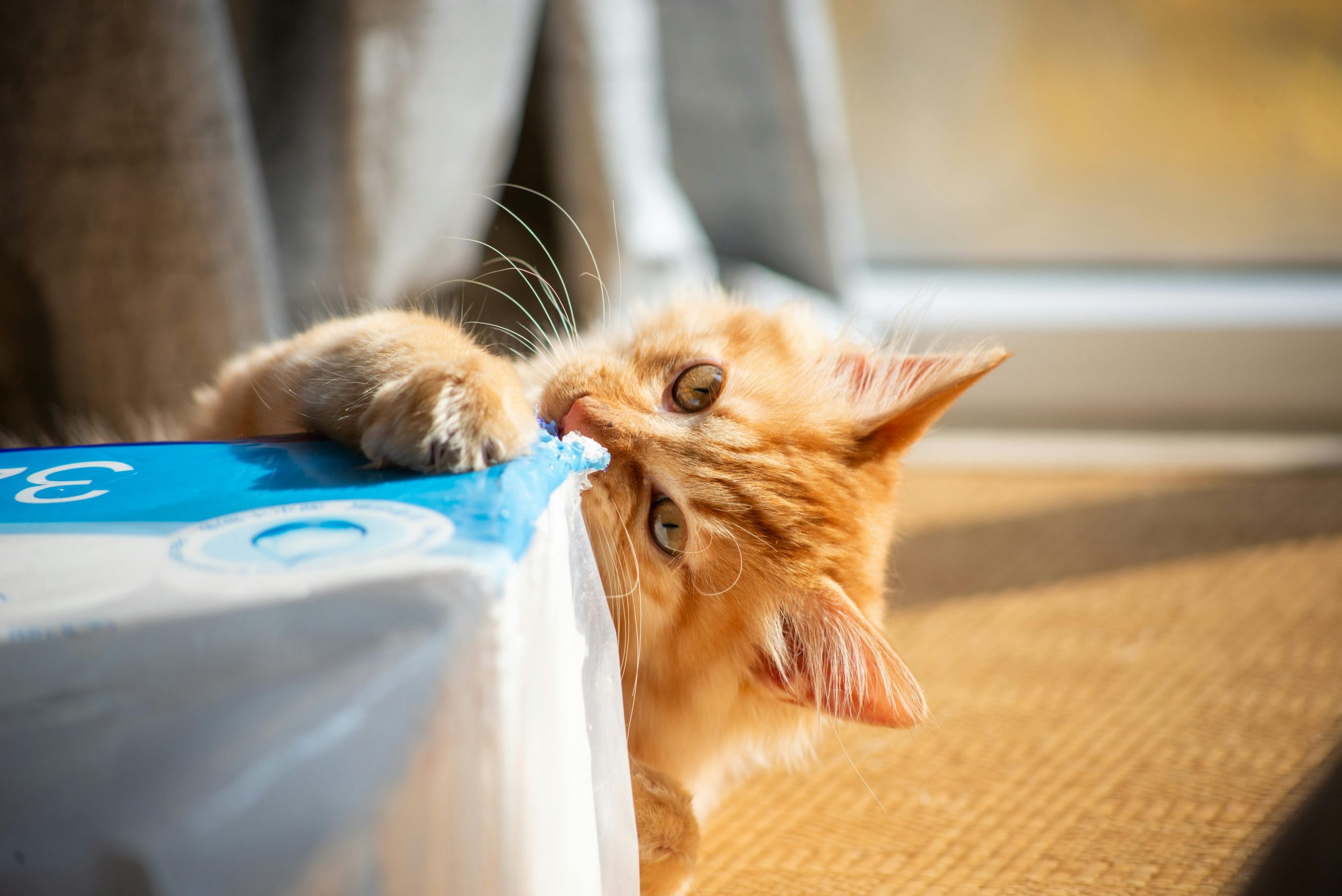
Kittens are adorable bundles of energy, curiosity, and playful mischief. However, biting is a common issue many new cat owners face. Understanding why kittens bite and learning proper training techniques is essential to ensure a safe and positive bond with your pet. With patience, consistency, and the right strategies, you can teach your kitten appropriate behavior while supporting healthy play and socialization.
Understanding Why Kittens Bite
Kittens explore the world with their mouths, and biting is a normal part of their development. However, it’s crucial to distinguish between normal playful nips and biting that may cause harm or indicate behavioral issues. Common reasons kittens bite include:
- Play aggression: Kittens practice hunting skills using their teeth and claws. They often bite during interactive play or when chasing toys.
- Overstimulation: Petting a kitten too long or in sensitive areas can lead to a sudden bite.
- Fear or anxiety: Loud noises, strangers, or sudden movements can trigger defensive biting.
- Attention-seeking: Some kittens learn that biting elicits a reaction from their owner.
Understanding these triggers helps you address the root cause rather than just the symptom. In fact, owners who wonder “why do cats bite their owners” will find that most bites are communication rather than aggression.
Start With Gentle Socialization
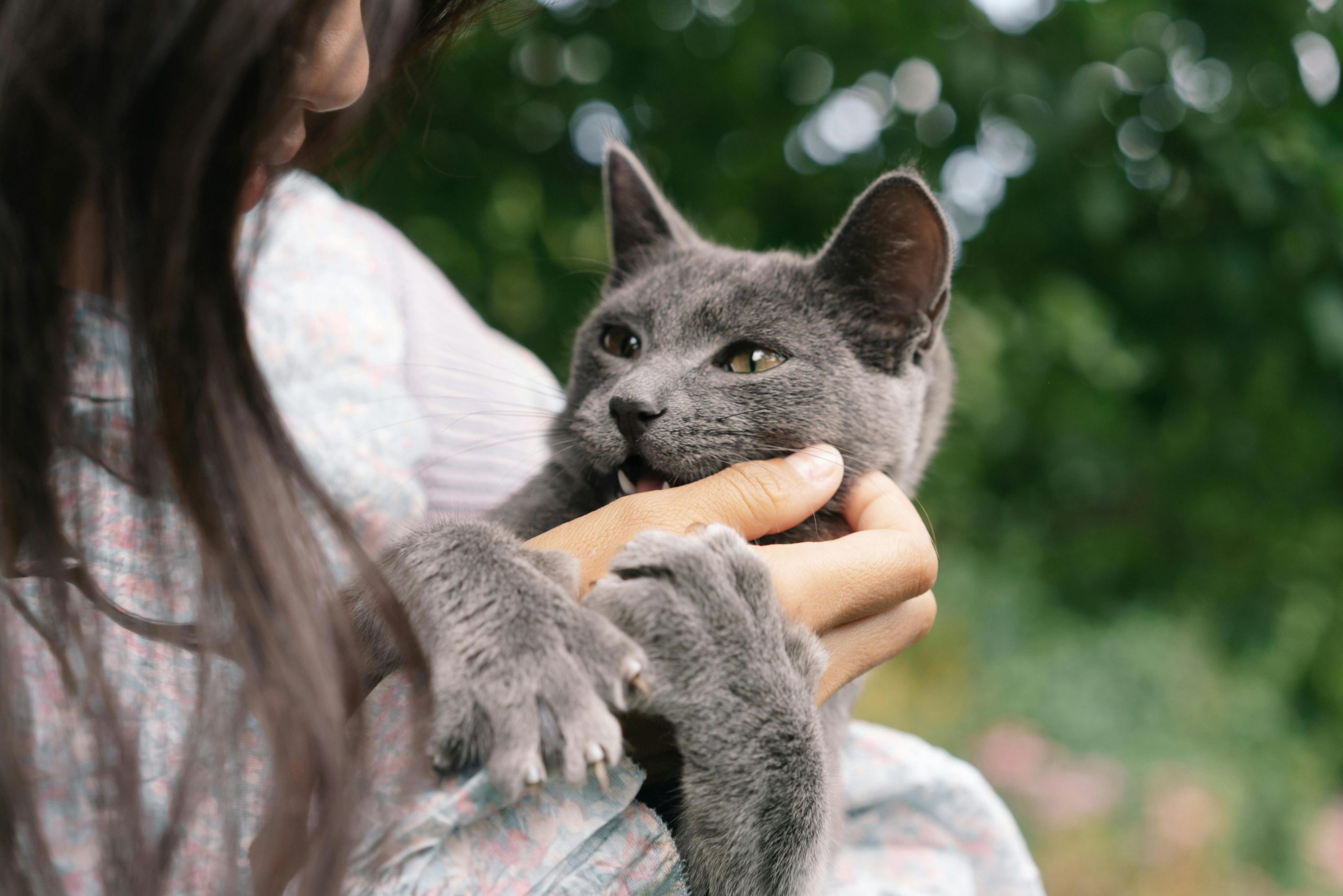
Early socialization is one of the most important steps in preventing unwanted biting behaviors in kittens. Kittens are most receptive to learning how to interact with humans between 2 and 9 weeks of age, so consistent, gentle handling during this period can have a lasting impact. By teaching your kitten that human touch is safe and enjoyable, you lay the foundation for a calm, confident adult cat.
Techniques for gentle socialization include:
- Short handling sessions: Begin with brief periods of petting, holding, or grooming—just a few minutes at a time. Gradually increase the duration as your kitten becomes more comfortable. Avoid forcing your kitten into contact, as this can create fear or defensive biting.
- Positive reinforcement: Reward calm behavior with treats, soft praise, or gentle strokes. This teaches your kitten to associate handling and interaction with positive outcomes, reducing the likelihood of biting out of anxiety or frustration.
- Exposure to different people and environments: Safely introduce your kitten to new individuals, household sounds, and environments. This can include gentle visits from friends or family, brief car rides, or experiencing different rooms in the house. The goal is to desensitize your kitten to new stimuli so fear-based biting is less likely to occur.
- Play-based socialization: Use interactive toys, like wand toys or soft plush mice, to encourage gentle play. Avoid using your hands or fingers as toys, as this can teach your kitten that biting skin is acceptable.
Through consistent, gentle socialization, your kitten learns to trust humans and handle new experiences calmly. Not only does this reduce biting behaviors, but it also supports the development of a friendly, confident, and well-adjusted adult cat, making daily interactions safer and more enjoyable.
Use Appropriate Play Techniques
Playtime is essential for a kitten’s development, but the way you play can influence their behavior. Avoid using your hands or fingers as toys. Instead, use:
- Wand toys: Mimic hunting behavior while keeping your hands safe.
- Balls or small toys: Encourage chasing and pouncing without direct biting.
- Interactive puzzle toys: Provide mental stimulation that reduces boredom-related biting.
Always end play sessions before your kitten becomes overstimulated. Overly excited kittens are more likely to bite, scratch, or act out.
Teach Bite Inhibition
ite inhibition is the process of teaching your kitten to control the strength of their bites, an essential skill for safe play and interaction with humans. Kittens naturally explore the world with their mouths, and without guidance, this behavior can become painful or problematic as they grow. Teaching bite inhibition early helps them learn boundaries while still allowing natural play instincts.
Steps to teach bite inhibition include:
- React immediately to bites: When your kitten bites, say “ouch” or make a high-pitched yelp. This mimics the vocal signals that littermates use during play to communicate discomfort. A sharp, consistent response helps your kitten understand that biting too hard is unacceptable.
- End play after a bite: Stop interacting with your kitten immediately when they bite. Walk away or leave the room for a short time. This teaches your kitten that biting ends fun and attention, reinforcing gentle behavior.
- Offer appropriate alternatives: Redirect your kitten’s biting onto toys, such as soft plush mice, wand toys, or chew-friendly objects. Providing outlets for natural biting instincts prevents frustration and ensures your kitten learns what is acceptable to bite.
- Be consistent across all caregivers: Every household member should follow the same rules and responses to biting. Inconsistency can confuse your kitten and slow progress, so ensure everyone uses the same verbal cues, stops play after bites, and provides appropriate alternatives.
- Reward gentle play: Praise or offer small treats when your kitten interacts without biting. Positive reinforcement strengthens the connection between gentle behavior and rewards, making your kitten more likely to repeat it.
By teaching bite inhibition early, your kitten learns to control the force of their bites and understands boundaries. This approach reduces the chances of future aggressive biting, promotes safe play, and helps your kitten develop into a well-mannered adult cat.
Provide Proper Outlets for Energy
Kittens have high energy levels, and insufficient outlets can lead to biting and destructive behavior. Consider:
- Scheduled play sessions multiple times a day
- Climbing trees or shelves for vertical exploration
- Scratching posts to satisfy natural instincts
A well-stimulated kitten is less likely to bite out of boredom or frustration.
Reward Positive Behavior
Positive reinforcement strengthens desirable behaviors. Reward your kitten when they play gently or respond calmly to handling:
- Treats for gentle interaction
- Soft verbal praise or petting
- Short play sessions as rewards
Avoid punishing your kitten physically. Negative reinforcement can increase fear, stress, and biting tendencies.
Establish a Calm Environment
Kittens are sensitive to changes in their environment. A calm, predictable routine helps reduce stress-induced biting:
- Quiet resting areas for downtime
- Consistent feeding and play schedules
- Safe hiding spots where kittens can retreat
By maintaining a low-stress environment, you teach your kitten that human interaction is safe and enjoyable.
Address Biting Triggers
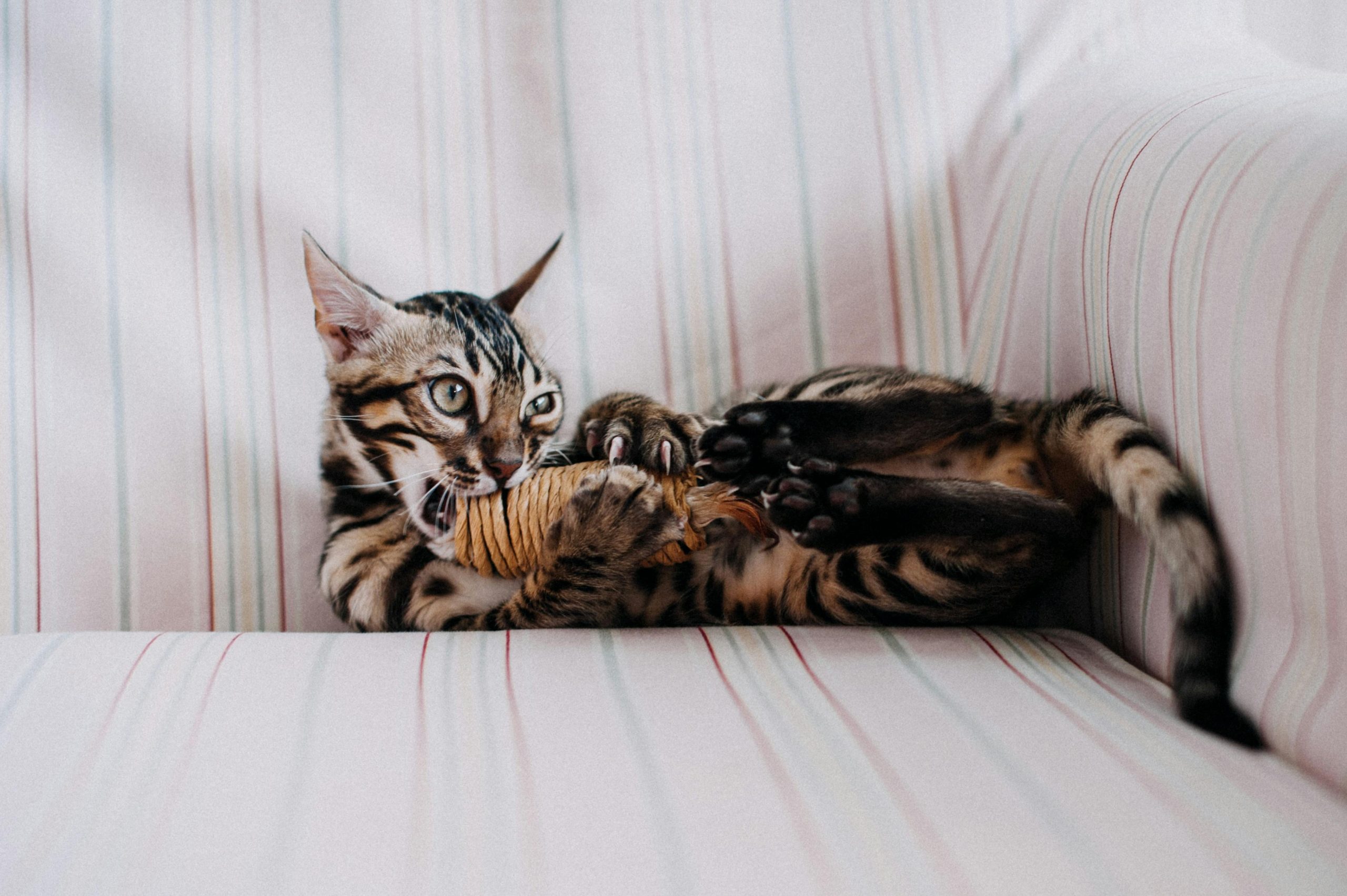
Pay attention to the situations in which your kitten bites and respond proactively:
- Petting-induced bites: Limit petting sessions to areas your kitten enjoys and stop before they become overstimulated.
- Fear-based bites: Provide a calm environment and gradually desensitize your kitten to stressors.
- Attention-seeking bites: Ignore biting that occurs to get your attention; reward calm behavior instead.
Understanding triggers allows you to prevent biting rather than just reacting to it.
Use Timeouts Effectively
Short timeouts can teach kittens that biting ends play and attention. Place your kitten in a safe, quiet area for a few minutes after biting. When they calm down, resume interaction. Timeouts should never be harsh or prolonged, as this can create fear and anxiety.
Encourage Gentle Chewing
Kittens explore with their mouths, so providing safe objects to chew helps prevent biting humans:
- Soft rubber or silicone chew toys
- Cat-safe teething toys
- Interactive treat dispensers
Encourage chewing only on appropriate items and redirect immediately if your kitten bites hands or clothing.
Monitor Your Kitten’s Health
Occasionally, biting can indicate discomfort or pain. Check for:
- Teething discomfort (common in kittens 3–6 months old)
- Skin irritation or injuries
- Illness that causes irritability
Consult a veterinarian if you suspect health issues may be contributing to biting.
Patience and Consistency Are Key
Training a kitten not to bite takes time and repetition. Keep in mind:
- Kittens are learning and testing boundaries naturally
- Consistent rules across all family members prevent confusion
- Celebrate small milestones and remain patient
With daily practice and reinforcement, most kittens learn to interact gently and appropriately.
Final Thoughts
Training a kitten not to bite involves understanding their instincts, providing proper outlets for energy, and teaching gentle behavior through consistent guidance. By reading body language, establishing a calm environment, offering interactive play, and rewarding positive behavior, you can prevent biting and build a trusting, loving bond. Remember, early socialization and patience are essential for long-term success. With dedication, your kitten can grow into a well-mannered adult cat who interacts safely and affectionately with your family.