
Many cat owners worry when their female cat behaves differently or shows unusual signs. One common question is: “Do cats bleed when in heat?” Unlike dogs, female cats rarely bleed during estrus. Understanding what happens during a cat’s heat cycle can help you care for your pet, recognize normal behaviors, and know when to contact a veterinarian.
This comprehensive guide explains what to expect, including the signs of heat, behavioral changes, reproductive health tips, and what bleeding might actually indicate. Written for pet owners, it’s easy to follow, informative, and practical.
What Is Estrus in Cats?
Estrus, commonly called “heat,” is the period when a female cat is fertile and receptive to mating. Female cats are seasonally polyestrous, meaning they can go into heat multiple times a year, usually from early spring to late fall, depending on daylight exposure.
Estrus typically begins when a cat reaches 5 to 9 months of age, though it can vary by breed and individual. The cycle lasts about 7 to 10 days, but can repeat every 2–3 weeks if the cat does not mate.
Common Signs of a Cat in Heat
Even though cats do not usually bleed while in heat, they show a variety of behavioral and physical signs that signal they are in estrus. Understanding these signs can help you recognize when your cat is ready to mate, prevent unwanted pregnancies, and manage her behavior effectively. Every cat is different, so the intensity of these signs may vary.
1. Vocalization
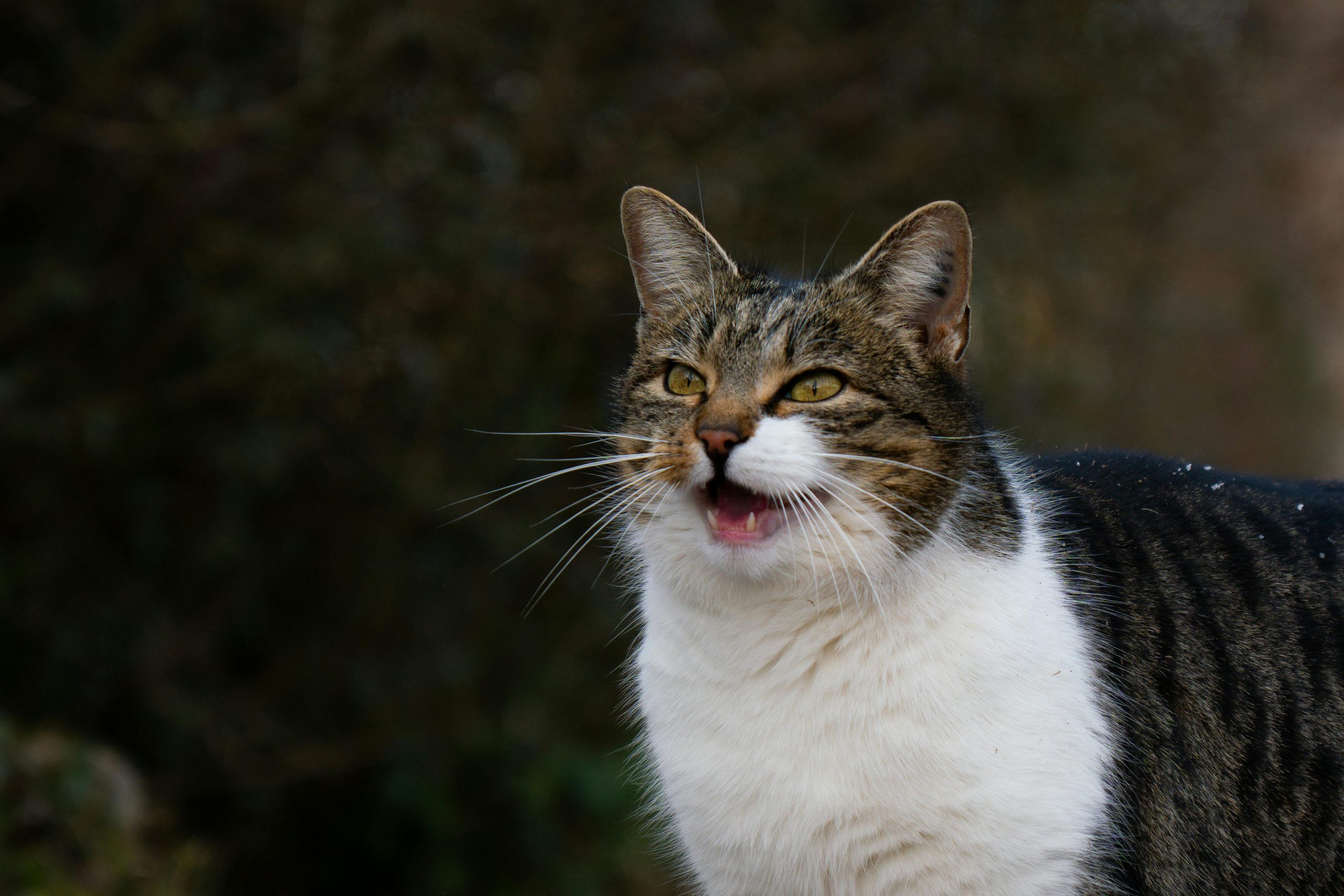
One of the most noticeable signs of a cat in heat is increased vocalization. Cats may:
- Yowl or howl loudly, often at night
- Make persistent, high-pitched meows that are unusual for them
- Produce repetitive calls that sound almost like crying
These vocalizations are instinctual and meant to attract male cats. It is their way of signaling fertility. Some cats may vocalize more quietly, but persistent or unusual sounds usually indicate heat. Owners should avoid punishing their cats for this behavior, as it is natural and temporary.
2. Increased Affection
Cats in heat often become unusually affectionate or clingy. You might notice:
- Rubbing against furniture, walls, or the floor more than usual
- Following you around constantly
- Seeking extra petting or attention
Some cats may even headbutt or nuzzle more frequently, displaying behavior meant to solicit attention and readiness to mate. While this increased affection can be endearing, it is also a sign that your cat is hormonally driven and may need extra supervision to prevent escape or accidental mating.
3. Restlessness and Pacing
Pregnant or estrus cats often exhibit restless behavior. This can include:
- Pacing around the house
- Repeatedly wandering from room to room
- Attempting to escape outdoors to find a mate
This restlessness is a natural part of the reproductive cycle and can be intensified in homes with multiple cats. Providing a safe, indoor environment is essential to prevent accidents or fights with male cats that might be nearby.
4. Posturing
A distinctive physical sign of heat is the lordosis posture. When a cat adopts this position, she:
- Raises her hindquarters
- Arches her back slightly
- Moves her tail to the side
This posture signals to male cats that she is ready to mate. It is often combined with vocalizations and rubbing behavior. Owners should avoid forcing interaction during this time, as it is purely a reproductive instinct.
5. Rolling and Rubbing
Cats in heat often display rolling, rubbing, and kneading behavior. You might notice:
- Rolling on the floor repeatedly
- Rubbing against furniture, walls, or even your legs
- Kneading blankets or bedding with their front paws
These actions serve multiple purposes: they release pheromones to attract males, mark territory, and express physical comfort or excitement. While this behavior can be messy or persistent, it is normal and temporary, lasting for the duration of the heat cycle.
Bonus Signs to Watch
In addition to the main behaviors, some cats may:
- Show restraint or avoidance when approached by other pets
- Become hyperactive or playful, sometimes knocking over objects
- Display increased grooming, particularly around the genital area
Monitoring these signs helps you distinguish between normal estrus behavior and possible health issues. If behaviors seem extreme or your cat appears distressed, consult a veterinarian for guidance.
Do Cats Bleed During Heat?
Unlike female dogs, cats rarely show vaginal bleeding during estrus. Most owners do not see any blood at all.
If you notice bleeding, it is not usually a normal sign of heat and may indicate other health issues, such as:
- Urinary tract infections
- Vaginal irritation
- Injury or trauma
- Hormonal imbalances
If your cat is bleeding during heat, consult a veterinarian immediately to rule out medical problems.
Understanding Pseudopregnancy and False Signs
Sometimes cats show behaviors similar to pregnancy after heat, even if they were not bred. This is called pseudopregnancy. Symptoms can include:
- Nesting behavior
- Enlarged nipples
- Mild weight gain
These signs can be confusing, so if you are unsure, a vet can help. This is also where knowing how to tell if a cat is pregnant can be useful, as proper testing can confirm whether kittens are expected.
How Long Does Heat Last?
A cat’s heat cycle can vary, but typical timing includes:
- Proestrus: 1–2 days, minor signs may appear
- Estrus: 4–10 days, full heat behavior
- Interestrus: 2–3 weeks if no mating occurs
- Diestrus/Pseudopregnancy: 40–50 days if the cat ovulates but does not become pregnant
Without mating, cats may go back into heat repeatedly, which can be stressful for both the cat and the owner.
Caring for a Cat in Heat
Even though bleeding is rare, caring for a cat in heat involves managing behavior and ensuring safety.
1. Keep Her Indoors
Cats in heat may try to escape to find mates. Keeping your cat indoors prevents accidental breeding and reduces stress.
2. Provide Comfort and Attention
Cats may become clingy or restless. Extra petting, playtime, and comfortable spaces can help your cat feel secure.
3. Use Calm Environments
Avoid loud noises, rough handling, or changes in routine, as these can increase anxiety and stress during heat.
4. Spaying
Spaying your cat prevents repeated heat cycles, reduces the risk of unwanted pregnancies, and can lower the risk of reproductive cancers. Discuss timing with your veterinarian.
When Bleeding Requires Vet Attention
If your cat shows vaginal bleeding, even if she is in heat, it is important to seek veterinary advice. Potential causes include:
- Infections like urinary tract infections or bacterial vaginitis
- Injuries from trauma or scratching
- Hormonal disorders affecting reproductive health
- Tumors or polyps
Your vet may perform a physical exam, urinalysis, ultrasound, or other tests to determine the cause.
FAQs About Cats in Heat
Can cats go into heat while pregnant?
Cats rarely go into estrus while already pregnant, but hormonal irregularities can occasionally cause confusion. Always consult your vet if behavior seems unusual.
How often do cats go into heat?
Indoor cats can experience heat every 2–3 weeks during the breeding season if they are not spayed or mated.
Do male cats respond to female heat?
Yes, male cats can detect female pheromones and may become aggressive or vocal when a nearby cat is in heat.
Can heat cycles cause health problems?
Repeated estrus cycles without mating or spaying can lead to stress, behavioral issues, or reproductive health risks.
Conclusion
The short answer to the question, “Do cats bleed when in heat?”, is generally no. Unlike dogs, female cats rarely show vaginal bleeding during estrus. Instead, behavioral signs—vocalization, restlessness, increased affection, and mating postures—are the most reliable indicators of heat.
If your cat bleeds or shows unusual signs during heat, a veterinary consultation is essential to rule out infections, injuries, or hormonal disorders. Proper care during heat includes keeping your cat indoors, providing comfort and attention, and considering spaying for long-term health.
Understanding your cat’s heat cycle helps you respond appropriately, ensure her well-being, and prevent unwanted pregnancies. By observing behavior carefully and seeking veterinary advice when needed, you can keep your cat healthy, safe, and comfortable throughout her reproductive years.